Explore Freight Services — OPS Global Forwarding
OPS Global Forwarding

Freight services for cargo that will not fit in a box.

Pallets, containers and project cargo across air, ocean, road and rail — with classification, entries and clearance handled by our own brokers at both ends of the lane. Business shippers only.

Modes
Air · Ocean · Road · Rail
Load types
FCL, LCL, FTL, LTL, break bulk and project cargo
Customs
In-house brokers, origin and destination
Support
Open 24/7, every day
01 — Modes

Four ways to move it

We quote the mode that fits the cargo and the deadline, not the one we happen to hold space on. Most lanes end up using two.

Mode 01  Air
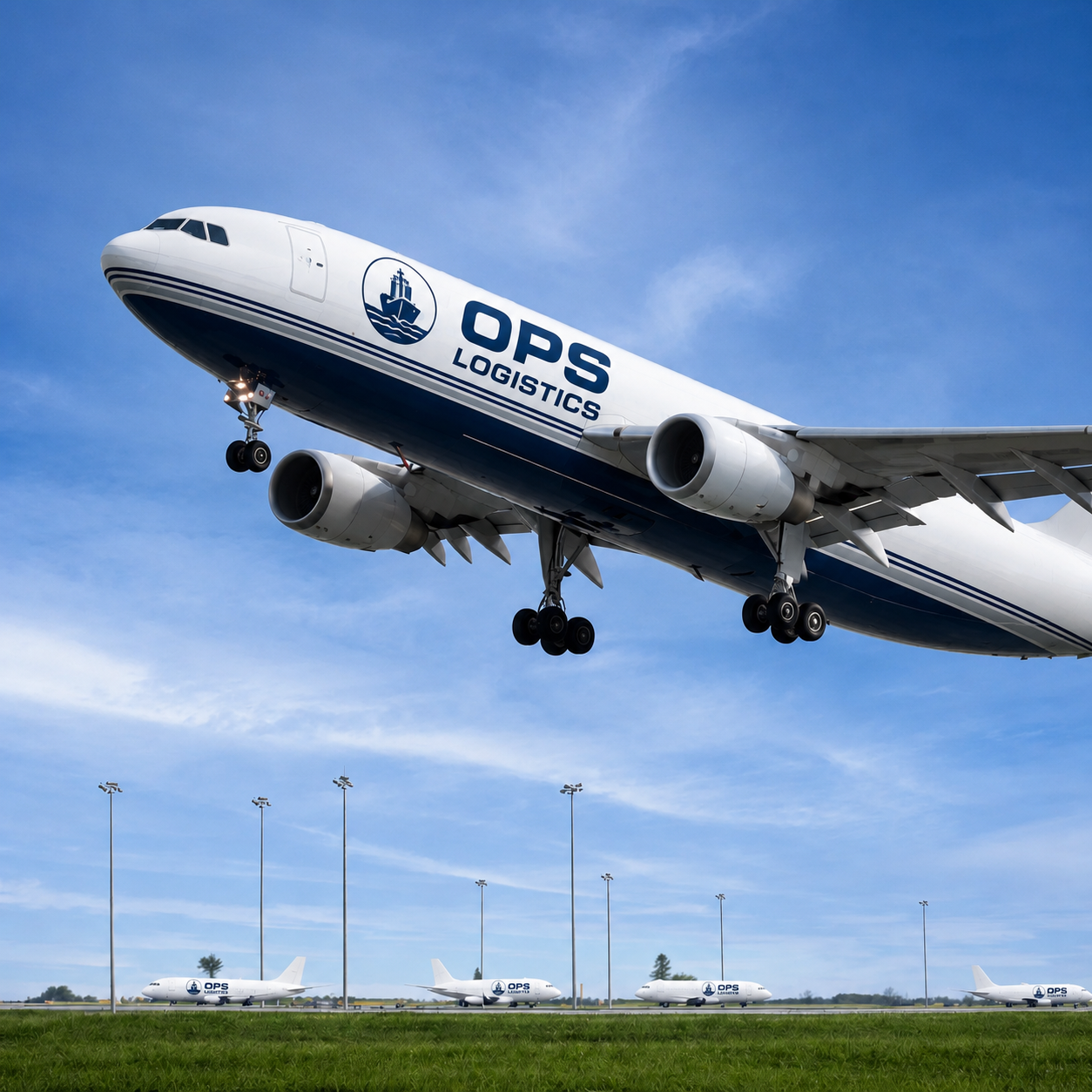
OPS Logistics livery on a cargo aircraft coming in to land
Air Freight

Days rather than weeks. The mode you pay for when a production line is stopped, a shelf life is running down, or the penalty for missing the date is larger than the freight bill.

  • Consolidated, express and next-flight-out
  • Charter for urgent, oversized or high-security cargo
  • Temperature-controlled and pharmaceutical handling
  • Airport-to-airport or door-to-door with clearance
Mode 02  Ocean
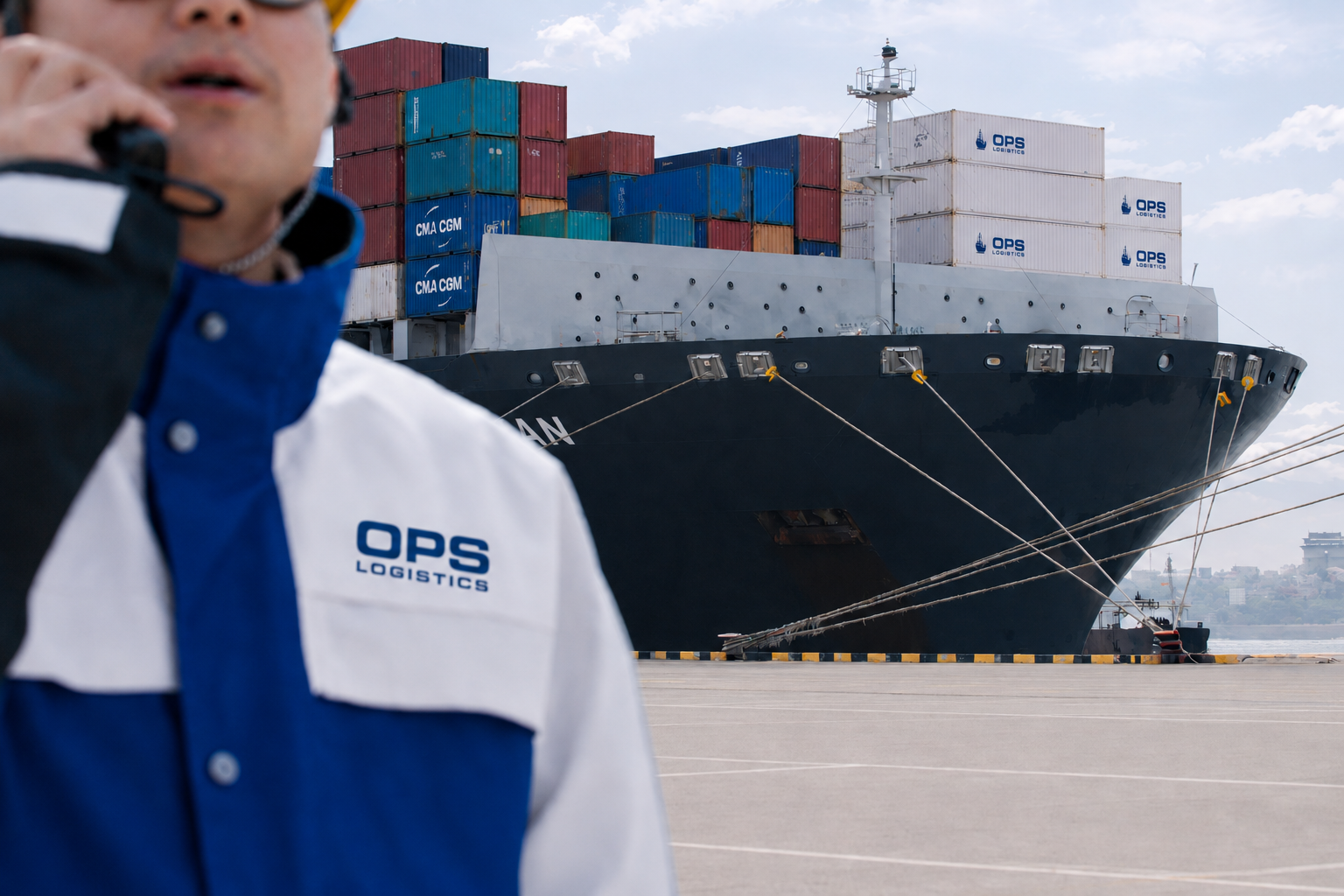
OPS Logistics staff member at a container terminal alongside a berthed vessel
Ocean Freight

The lowest cost per unit at volume, and what most global trade still runs on. Also the most exposed to congestion, weather and rolled bookings — so the planning matters more than the booking.

  • FCL on all major trade lanes
  • LCL consolidation for part loads
  • Reefer containers, chilled and frozen
  • Break bulk, flat rack and out-of-gauge
Mode 03  Road
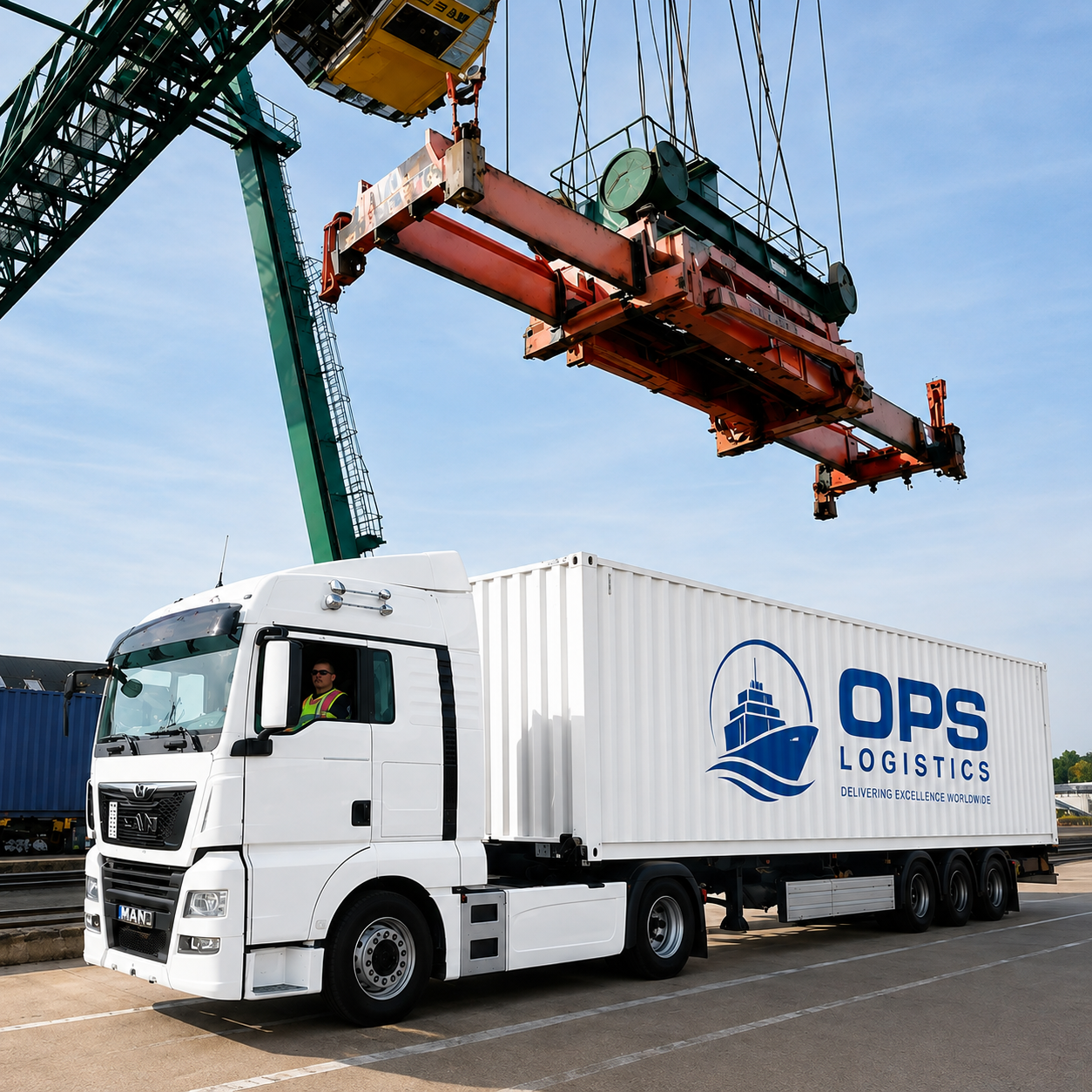
Container being craned onto an OPS Logistics truck at a terminal
Road Freight

Every shipment is a road shipment at least twice. Road also carries whole lanes across regional corridors — and it is where most cross-border delay actually happens, because that is where paperwork gets checked.

  • FTL and LTL groupage
  • Container drayage from port and terminal
  • Cross-border corridors, cleared in advance
  • Temperature-controlled and dedicated vehicles
Mode 04  Rail
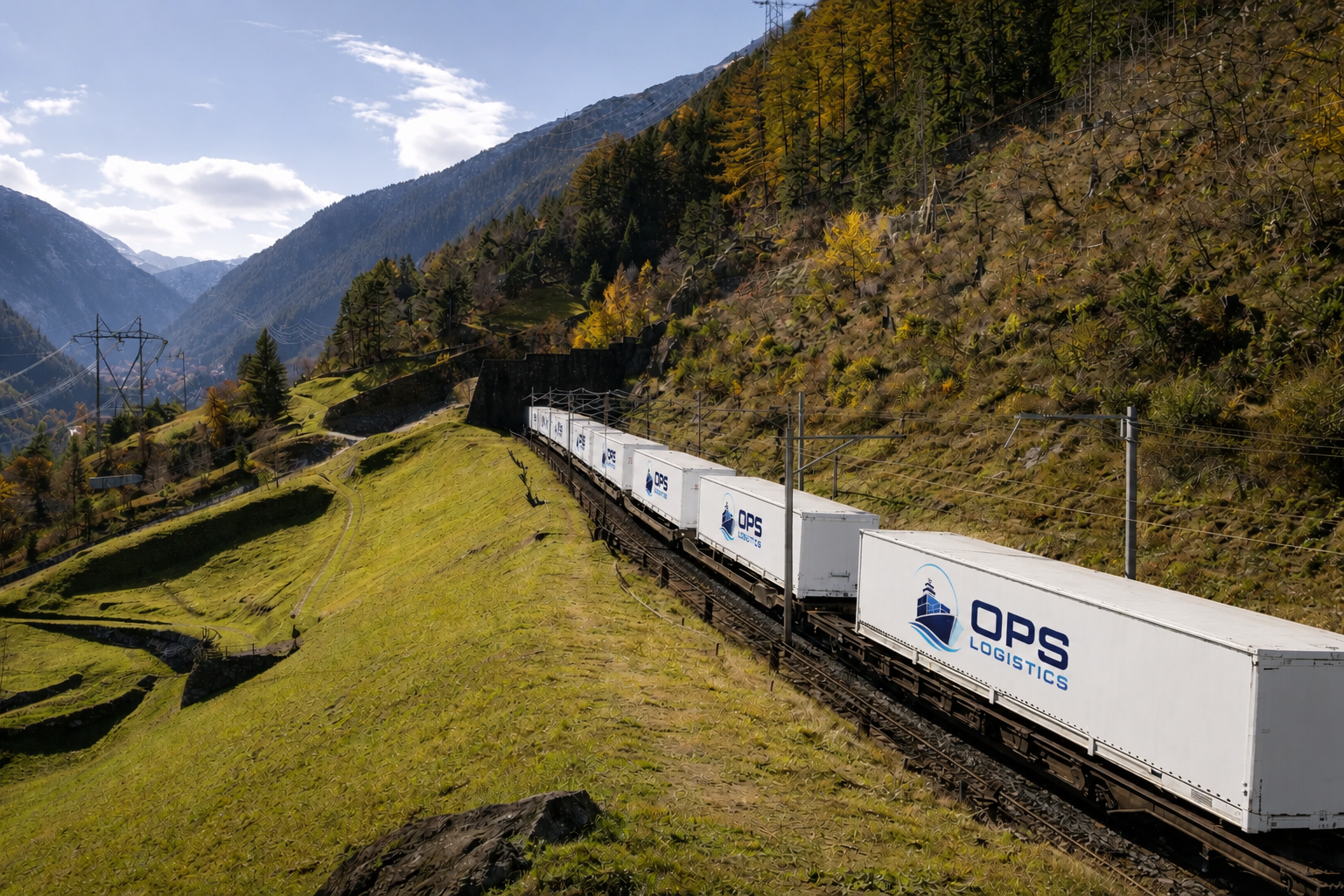
OPS Logistics containers on a freight train crossing open country
Rail Freight

The mode most shippers forget to ask about. On long land corridors it sits between ocean and air on both cost and transit, and carries a materially lower carbon cost per tonne-kilometre than road.

  • Intermodal containers with road at each end
  • Block train and wagon-load on established corridors
  • Lower emissions than long-haul road
  • Terminal handling and drayage as one movement
02 — Choosing

What each mode is actually good at

Transit is described in orders of magnitude rather than day counts, because the honest answer depends on the lane, the season and the border. Your quote carries the real figures for your routing.

Mode
Typical transit
Best for
Cost profile
Air
Days. Fastest option on almost any lane.
Urgent, perishable or high-value cargo where weight is low relative to value.
Highest per kg
Ocean FCL
Weeks. Plus port and clearance time each end.
Full loads, heavy or bulky cargo, planned replenishment.
Lowest at volume
Ocean LCL
Weeks, plus consolidation and deconsolidation.
Part loads too large for air but short of a full container.
Low, priced by volume
Road
Hours to days on regional lanes.
First and last mile, cross-border corridors, drayage from port.
Moderate, distance-led
Rail
Between road and ocean on long land corridors.
Volume across continents where sea is slow and air is unaffordable.
Between ocean and air
03 — Equipment

What your cargo travels in

Capacities below are nominal. Usable volume is always lower once packaging, pallet footprint and load plan are taken into account — which is part of what we work out before quoting.

20′ Standard Container

approx. 33 m³

The workhorse for dense, heavy cargo. Hits its weight limit long before it runs out of space.

40′ Standard Container

approx. 67 m³

Double the volume of a 20′ for far less than double the price. The default for most FCL bookings.

40′ High Cube

approx. 76 m³

A foot of extra internal height. Worth it for light, bulky cargo that cubes out rather than weighing out.

Reefer Container

Temperature controlled

Chilled or frozen, with set-point monitoring through the voyage. Available in 20′ and 40′.

Flat Rack & Open Top

Out-of-gauge cargo

For loads that will not fit through a container door or exceed its internal dimensions. Priced case by case.

Air ULD & Loose

Pallets and containers

Built onto aircraft unit load devices, or loaded loose on smaller consignments. Height limits vary by aircraft type.

Curtainsider & Box Trailer

approx. 33 europallets

Standard road equipment. Curtainsiders load from the side, which matters for forklift access at both ends.

Reefer Trailer

Temperature controlled

Road equivalent of the reefer container, for the first and last leg of a cold chain movement.

Intermodal Rail Wagon

Containers on rail

Carries the same containers as ocean, so cargo is never rehandled when a lane switches between the two.

04 — Pricing

How freight is actually priced

Most disputed invoices come from one of these four being misunderstood at booking. None of it is unusual, and none of it should be a surprise when the bill arrives.

01

Chargeable weight

Freight is billed on the greater of actual weight and volumetric weight — a figure derived from the space the cargo occupies. A pallet of cushions costs more to fly than its scales suggest. The divisor varies by mode and carrier, and yours is stated on the quote.

02

Weight breaks

Rates step down at set thresholds. It is common for a heavier shipment to cost less in total than a lighter one just below a break, so we check whether rounding your consignment up saves you money.

03

Surcharges

Fuel, security, peak season, congestion and currency adjustments sit on top of the base rate and move independently of it. We itemise them rather than folding them into one number, so you can see what changed between one month and the next.

04

Incoterms

The three letters on your order decide who pays for what and where risk transfers. Getting them wrong is the most common reason a shipment costs more than expected. If you are unsure which applies, ask us before the order is placed rather than after.

05 — Included

What comes with every freight booking

Not add-ons priced separately at the end. These are part of moving freight properly, and they are why a forwarder exists at all.

Customs clearance

Classification, valuation, entries and clearance by our own brokers at origin and destination.

Documentation

Bills of lading and air waybills, commercial invoices, packing lists and certificates of origin.

Milestone tracking

Live status from collection to delivery, with exceptions raised while there is still a decision to make.

A named coordinator

One person owning your consignment end to end, across however many carriers and modes it crosses.

Compliance screening

Sanctions and denied-party checks, licensing and dangerous goods classification before a booking is accepted.

Insurance on request

Marine and all-risk cover arranged through licensed providers. Carrier liability alone rarely covers cargo value.

Get started

Send us the lane and the cargo.

Origin, destination, weight, dimensions and the date it has to land. You get options across every mode that fits, with a real price against each — and a straight answer on which one we would use.

OPS Logistics — Footer
Check Out What OPS Provides
Pallets, Containers and Cargo
Business Only
Air and ocean freight, plus customs and logistics services with OPS Global Forwarding.
Explore Freight Services
OPS for Your Business
Let's be shipping partners
Small start-up? Medium-sized business going international? Satisfy your business shipping needs.
Explore Our Business Offerings
Enterprise Logistics Services
Our Supply Chain division creates custom solutions for enterprise-sized organizations. The perfect fit as your outsourced logistics provider (3PL).
Explore OPS Supply Chain

Select Your Country / Region

Language and services will adjust to your selection

Start typing to see posts you are looking for.