A missing bracket stops the whole line.
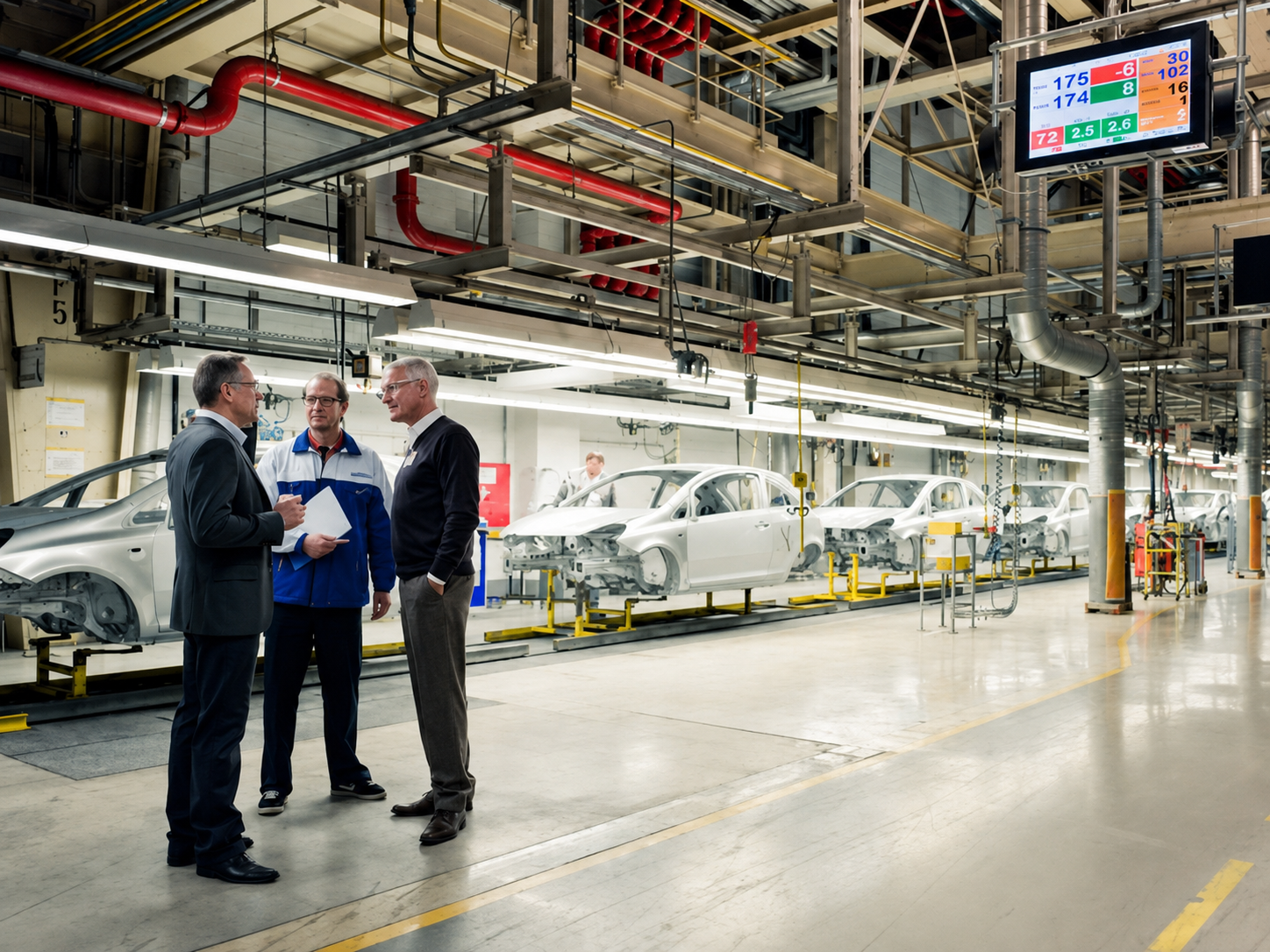
No other sector punishes a late delivery quite like this one. A component worth a few dollars, held at a border, can idle an assembly plant and everyone standing in it. We plan automotive freight backwards from that fact.
We move it at every tier
Automotive supply is a chain of chains. Cargo behaves differently at each stage — raw castings and finished trim need almost nothing in common — so the planning has to change with it.
Raw & Tier 3
Castings, forgings, steel and polymer feedstock moving in bulk on planned, cost-led lanes.
Tier 2 & Tier 1
Sub-assemblies and modules, often crossing borders several times before they reach a plant.
Inbound to line
Sequenced and just-in-time delivery to the assembly plant, timed to the build schedule rather than to a truck's convenience.
Outbound & finished
Finished units and complete knock-down kits moving to markets, ports and distribution centres.
Aftermarket
Service parts to dealers, factors and workshops — thousands of low-volume lines, all expected next day.
The 95% that has to be boring
Most automotive freight should be uneventful, repeatable and cheap. That is not achieved by moving it faster — it is achieved by removing the reasons it might not arrive.
- Fixed weekly and daily lane schedules
- Ocean and rail on planned replenishment
- Consolidation across suppliers on the same lane
- Customs entries prepared before departure
- Milestone data pushed into your planning system
- Cost measured per part, not per shipment
The 5% that decides who you use
Then a supplier misses, a container rolls, or a quality hold lands on a batch already in transit. What happens in the next two hours is the whole reason you have a forwarder.
- Next-flight-out and hand-carry options
- Charter for volumes air cargo cannot take in time
- Dedicated road with two-driver running
- Clearance pre-lodged so the border is not the delay
- A named person reachable at any hour, every day
- Honest arrival estimates, including the bad ones
What we handle, and why each one is awkward
Automotive freight is not one commodity. These are the categories that need a different answer from the others.
Dense and heavy. Weighs out a container long before it fills it, so the cost model is completely different from the rest of the vehicle.
Light, bulky and easily damaged. Cubes out fast, needs purpose-built racking, and a scratch makes the part scrap rather than repairable.
High value per kilo and theft-attractive, which changes the routing, the security requirement and the insurance conversation.
Regulated dangerous goods with restrictions that differ by mode, state of charge and whether the cell ships alone or installed. See below.
Declarable dangerous goods with packing group requirements, segregation rules and paperwork that has to travel with the load.
Volume-heavy and finish-critical. Usually sequenced to the build order, so arriving early is very nearly as unhelpful as arriving late.
Thousands of slow-moving lines with a next-day expectation. A fulfilment problem far more than a freight one.
Batteries are the hardest thing in the vehicle to move
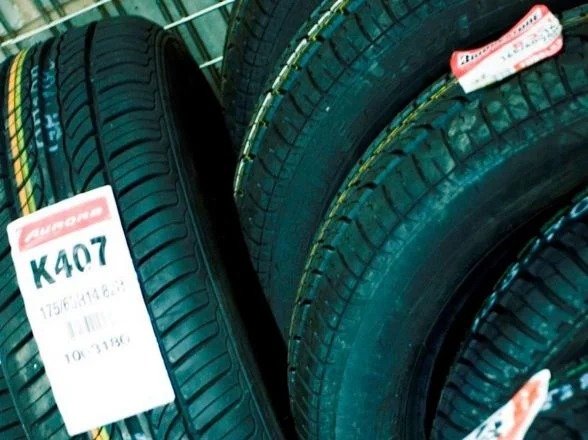
Lithium-ion cells and packs are classified dangerous goods. What you can ship, by which mode, in what packaging and at what state of charge changes depending on all four — and the rules tighten faster than most supply chains adapt to them.
They also fail expensively. A pack rejected at an airport for a declaration error does not simply catch the next flight. It is usually offloaded, stored, and reworked before it moves at all.
The long tail nobody plans for
Production volumes are predictable. Service parts are not. A workshop needs one item, today, from a catalogue of tens of thousands — and the vehicle is on a ramp until it arrives.
- Parts warehousing with fast-mover locations by demand
- Same-day despatch on qualifying cut-offs
- Dealer, factor and workshop delivery networks
- Emergency VOR handling for vehicles off road
- Core returns and reverse flow back to the supplier
- Stock and order data written back into your system
Bring us the lane that keeps going wrong.
Not the easy one. Tell us which supplier misses, which border holds you, or which part you are air-freighting far too often — and we will tell you whether it is fixable and roughly what fixing it costs.
- Track
-
Start ShippingGet a Quote Ship Now Request a Business AccountDocument & PackageExpress Shipping Retailers / Volume ShippingFreightExplore Freight Services OPS for Your Business
- Customer Service
- Customer Portal Logins
- Check Out What OPS Provides