Cold chain cargo fails quietly.
Nothing looks wrong on arrival. The pallet is intact, the seal is unbroken, the paperwork is signed — and the loss only appears weeks later as a rejected batch or a recalled lot. Which is why the temperature record matters as much as the delivery.
Four bands, four different problems
"Temperature controlled" is not one service. The equipment, the packaging, the routing and the failure mode all change as you move down this scale, and so does the cost of getting it wrong.
Deep-frozen biologics and certain vaccines. Dry ice or specialist active containers, and a hold time measured in hours rather than days.
Frozen food, some pharmaceutical intermediates and reagents. Reefer equipment set and monitored, with pre-cooling before loading.
The standard refrigerated pharmaceutical range, and most fresh produce. The narrowest tolerance of the four and the least forgiving of a delay.
Not refrigerated, but not uncontrolled either. Frequently overlooked, and a common cause of quiet loss on a hot tarmac or in an unshaded yard.
The chain breaks at the joins
Almost no temperature excursion happens mid-voyage. It happens in the minutes either side of a handover, when the load is between two parties and briefly nobody's responsibility. There are six of those on a typical lane.
- Collection Vehicle pre-cooled before loading, not after. A warm trailer takes the load with it.
- Consolidation Time on a cross-dock is the single most common excursion point on any lane.
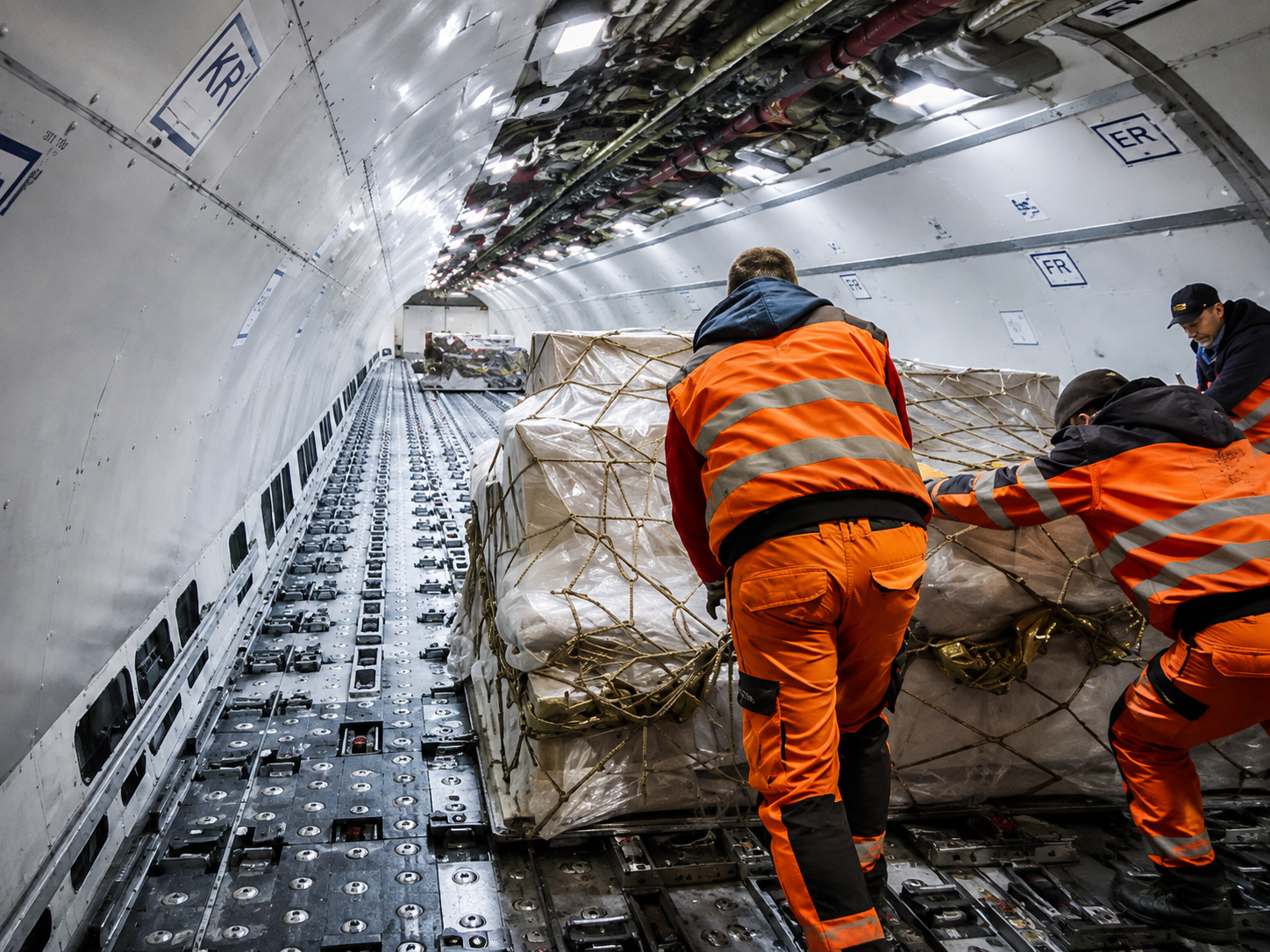
- Terminal & tarmac Waiting airside or portside, frequently in direct sun and outside anyone's monitoring.
- Customs inspection An opened container is an unrefrigerated one. Clearance pre-lodged so it stays shut.
- Deconsolidation The same cross-dock risk again, at the far end, usually with less oversight.
- Final delivery Door open, load exposed, and the receiving site not always ready to take it.
Active, passive, or both
Active equipment holds temperature by working. Passive equipment holds it by insulating and slowly losing. Which you want depends on transit time, mode and what happens if the power fails.
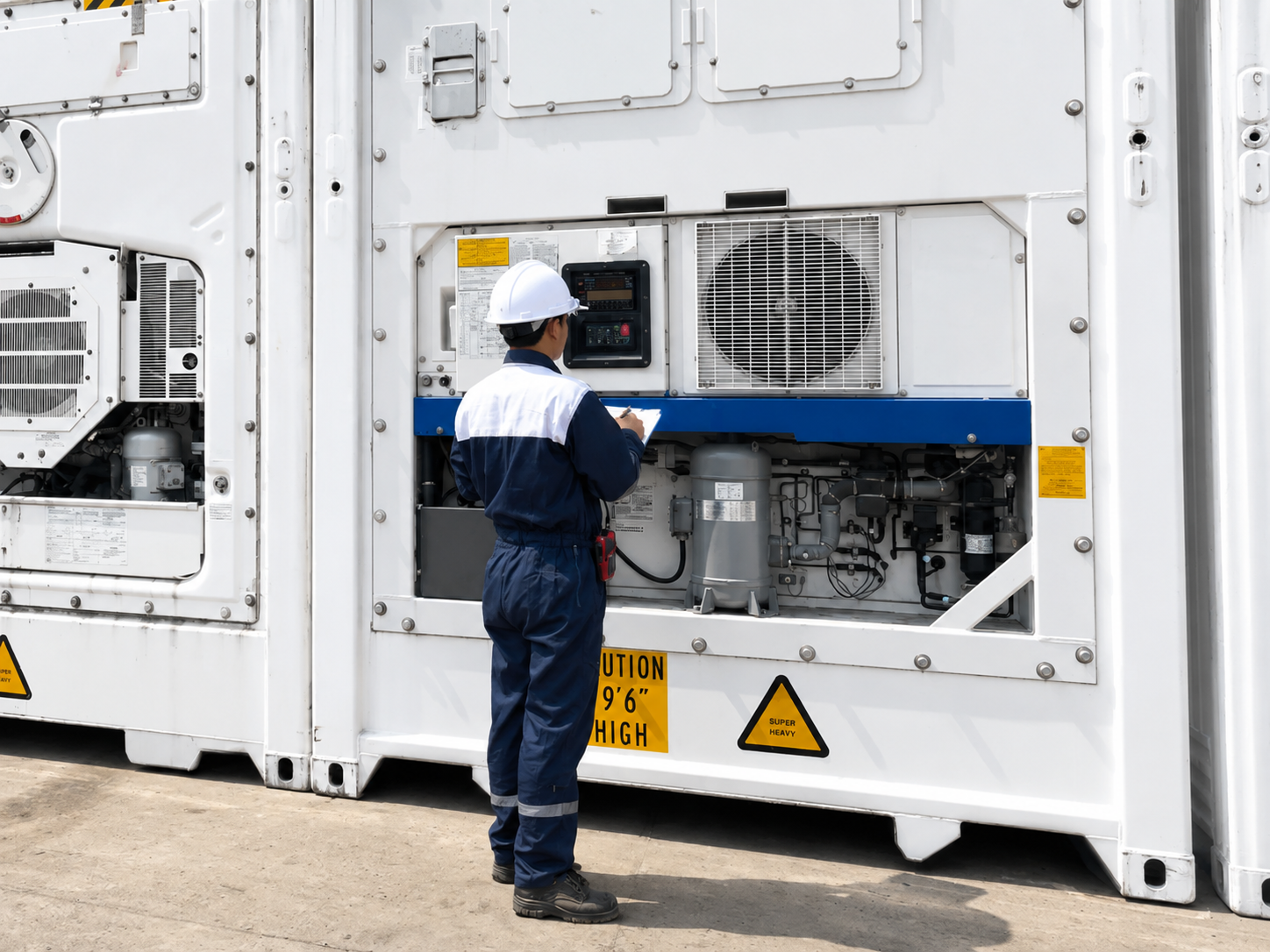
Reefer container
Powered on the vessel and at terminal, with set-point control and continuous logging. The workhorse of long-haul temperature-controlled freight.
Reefer trailer & van
First and last leg of almost every cold chain movement, including multi-temperature vehicles carrying more than one band at once.
Powered air container
Self-contained refrigerated units for airfreight. Expensive, in limited supply, and worth booking well ahead on constrained lanes.
Insulated shippers
Validated boxes with phase-change material or gel packs, rated for a stated hold time. No power dependency, but the clock starts at packing.
Dry ice packing
Used for deep-frozen consignments. Dry ice is itself a regulated dangerous good and has to be declared, with quantity stated on the paperwork.
Cold storage
Chilled and frozen warehousing for stock held between legs, with the same monitoring and access discipline as the transport itself.
If it was not recorded, it did not stay cold
A cold chain shipment is only as good as the record that proves it. When a batch is questioned months later, the data is the entire defence — for you with your regulator, and for us with you.
- Continuous temperature log Whole journey
- Pre-cool confirmation Before loading
- Set point and equipment ID Per leg
- Handover timestamps Each custody change
- Door-open events Where equipment reports it
- Excursion alerts and response As they occur
- Proof of delivery and receiving temperature On arrival
What happens when it does go outside range
Because sometimes it will. The difference between a nuisance and a write-off is almost always how quickly it was noticed and what was done in the next hour — not the excursion itself.
Minor deviation
A brief movement outside set point, still inside the product's stated tolerance. Logged, timestamped and reported with the consignment.
What we do: alert raised, cause identified, and the full trace supplied so your quality team can release the stock on evidence rather than assumption.
Significant excursion
Outside the product specification, duration or magnitude unclear at the time. The shipment is no longer releasable on our say-so.
What we do: you are told while the goods are still moving, not on arrival. The consignment is segregated on delivery and held pending your quality decision.
Product loss
Beyond recovery. The cost is rarely the freight or even the goods — it is the replacement lead time, and whatever was waiting on that batch.
What we do: full timeline of the failure, our part in it stated plainly, and support for the claim. We would rather tell you we caused it than have you find out from a data logger.
Send us the data sheet, not the enquiry form.
Tell us the storage requirement, the lane and the transit window, and we will come back with the equipment and packaging that actually holds it — including an honest answer if the timing does not work at the temperature you need.
- Track
-
Start ShippingGet a Quote Ship Now Request a Business AccountDocument & PackageExpress Shipping Retailers / Volume ShippingFreightExplore Freight Services OPS for Your Business
- Customer Service
- Customer Portal Logins
- Check Out What OPS Provides