The things we keep explaining on the phone.
Written by the people who plan the lanes and file the entries, not by a marketing team reading a report. Mostly the questions customers ask us twice — which is a good sign nobody has explained them properly anywhere else.
Start here
The piece we send people most often, usually about ten minutes after they have asked why the invoice does not match the quote.
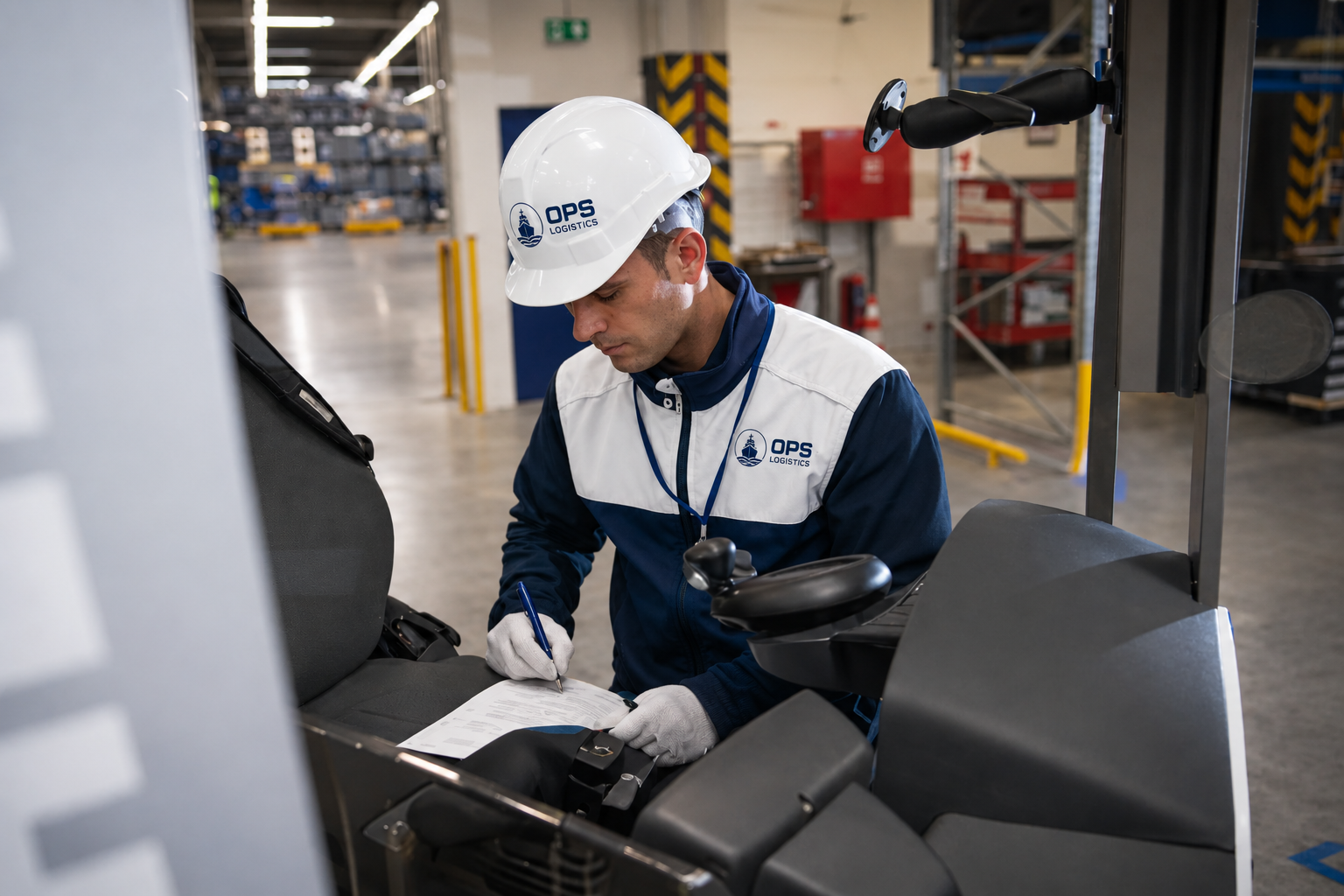
Why your freight invoice never quite matches your quote
Chargeable weight, weight breaks, surcharges and incoterms — four mechanisms that are completely standard across the industry and almost never explained before the bill arrives. Here is each one, what it does to your cost, and the question to ask at booking so none of them surprise you.
Recent articles
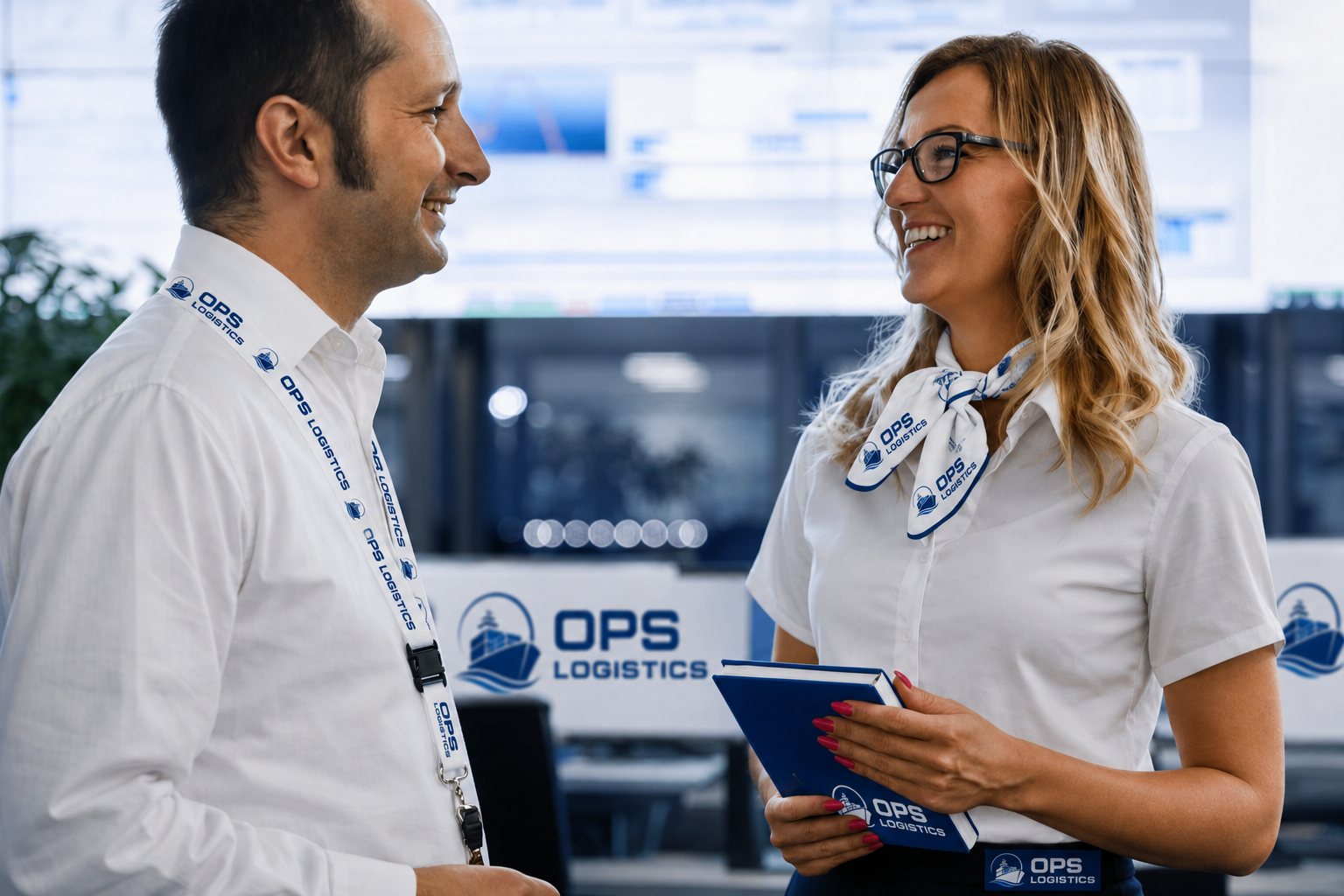
What actually happens when customs holds your shipment
Not a black box. There are four or five reasons a consignment gets stopped, each with a different fix and a very different cost of waiting.

Ocean or air: the decision is not about speed
It is about what the delay costs you. A framework for working out the point at which paying for airfreight is the cheaper option overall.

Incoterms: the three letters that decide who pays for what
The most common cause of an unexpected freight bill is a term agreed by someone who did not know what it obliged them to do. A plain reading of the ones that matter.
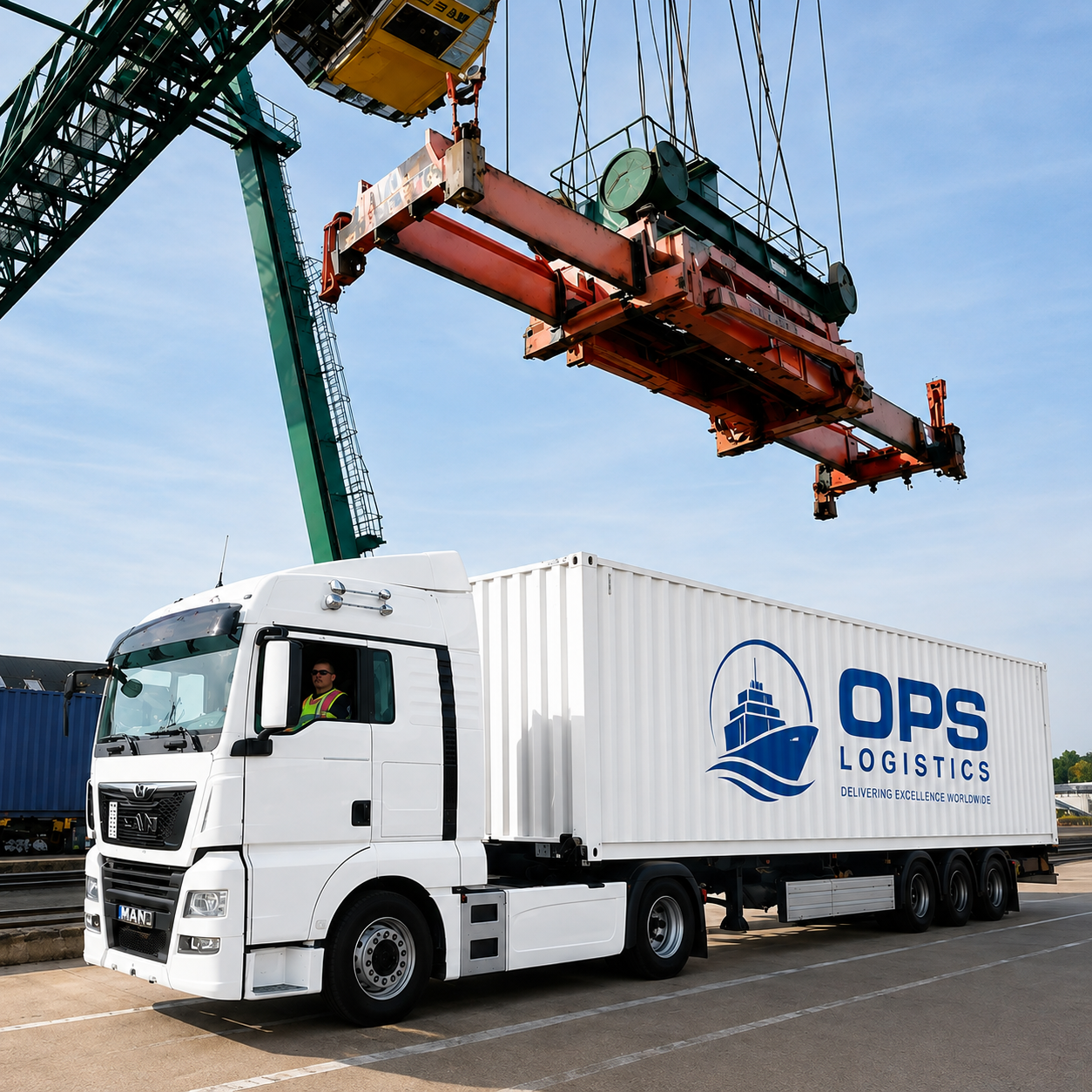
The moment your container comes off the stack, two clocks start
Demurrage runs while the box sits in the terminal. Detention runs once it leaves and has not come back. Both are billed by the day, neither appears on your quote, and the lift in this photograph is the moment one stops and the other begins.

Your last mile is failing, and it is not the driver
Most failed deliveries are a person who was at work and a system that never asked them when they would be home. What to change first.
What we write about
Five areas, chosen because they are where customers lose money without realising it — not because they make good headlines.
Freight & modes
Choosing between air, ocean, road and rail on something other than instinct, and what each one is genuinely good at.
Customs & compliance
Classification, valuation, origin and controls — the four decisions that cause most of the delay and nearly all of the penalties.
Supply chain & 3PL
Warehousing, fulfilment and returns, including the honest maths on when outsourcing is not yet worth it.
Cost & pricing
How freight is actually priced, why quotes diverge, and which line on an invoice is worth arguing about.
Delivery & the last mile
Delivery windows, failed attempts and returns — the part of the chain your customer is actually judging.
Something we have missed
If you keep explaining the same thing to your own team, it probably needs writing down. Tell us and we will write it.
What you will not find here
Most logistics content exists to rank for a search term. These are the rules we hold ourselves to instead, and you are welcome to hold us to them.
Nothing published to hit a schedule
If there is nothing worth saying in a given month, nothing goes up. A thin post costs a reader ten minutes and costs us the next visit.
Predictions are labelled as guesses
Rate forecasts and capacity outlooks are opinion. Where we offer one, it is marked as such and the reasoning is shown so you can disagree with it.
The trade-offs get named
Including the ones that do not favour us. An article that concludes you should always use a forwarder is an advert, and readers can tell.
Mistakes stay visible
When we get something wrong we correct it in place and say what changed, rather than quietly editing the page and hoping nobody kept a copy.
Tell us what to write next.
The most useful pieces here started as a question somebody asked on a call. If there is something about freight, customs or fulfilment that you have never had explained properly, send it over — and we will answer it directly even if it never becomes an article.
- Track
-
Start ShippingGet a Quote Ship Now Request a Business AccountDocument & PackageExpress Shipping Retailers / Volume ShippingFreightExplore Freight Services OPS for Your Business
- Customer Service
- Customer Portal Logins
- Check Out What OPS Provides