We do not own the ship. That is rather the point.
A forwarder is not a carrier with a smaller fleet. It is the party that owns the whole movement while the carriers own only their leg of it — and it exists because the gaps between those legs are where freight actually goes wrong.
Three words people use interchangeably
They are not the same thing, and the difference decides who you call when something stops moving. Worth two minutes even if you have been shipping for years.
The carrier
Owns and operates the aircraft, vessel, truck or train. Sells space on it, moves your cargo from one point to another, and is responsible for that leg.
The customs broker
Prepares and files the customs declaration on your behalf. Classifies the goods, establishes value and origin, and gets the entry accepted by the authority.
The freight forwarder
Plans and arranges the whole movement. Buys carrier space, handles the clearances, coordinates the legs at both ends, and holds the single accountability line across all of it.
Who covers which part of the journey
Five stages in a typical international shipment. The bars below show how far each party's responsibility actually extends. The gaps between the short bars are where consignments sit while everybody explains that it is not their piece.
Collection
Export clearance
Main leg
Import clearance
Delivery
Four times you do not need a forwarder
Plenty of businesses pay for coordination they could do themselves. If any of these describe you, book direct and keep the margin — we would rather say so than take the booking and be resented for it later.
-
Case 01One simple domestic lane No border, no clearance, one carrier, one leg. There are no joins to own, so there is nothing for a forwarder to add beyond a margin.
-
Case 02Your supplier already arranges it If you are buying on terms where the seller delivers, they have appointed someone. Adding a second coordinator to the same shipment creates confusion rather than cover.
-
Case 03You have the volume and the people Enough freight on fixed lanes to negotiate directly, and staff who know classification and documentation. At that point in-house is genuinely cheaper — and some of our customers eventually get there.
-
Case 04It fits in a parcel Small consignments are better served by an express service than by freight forwarding. Different pricing, different handling, and considerably less paperwork. OPS Express →
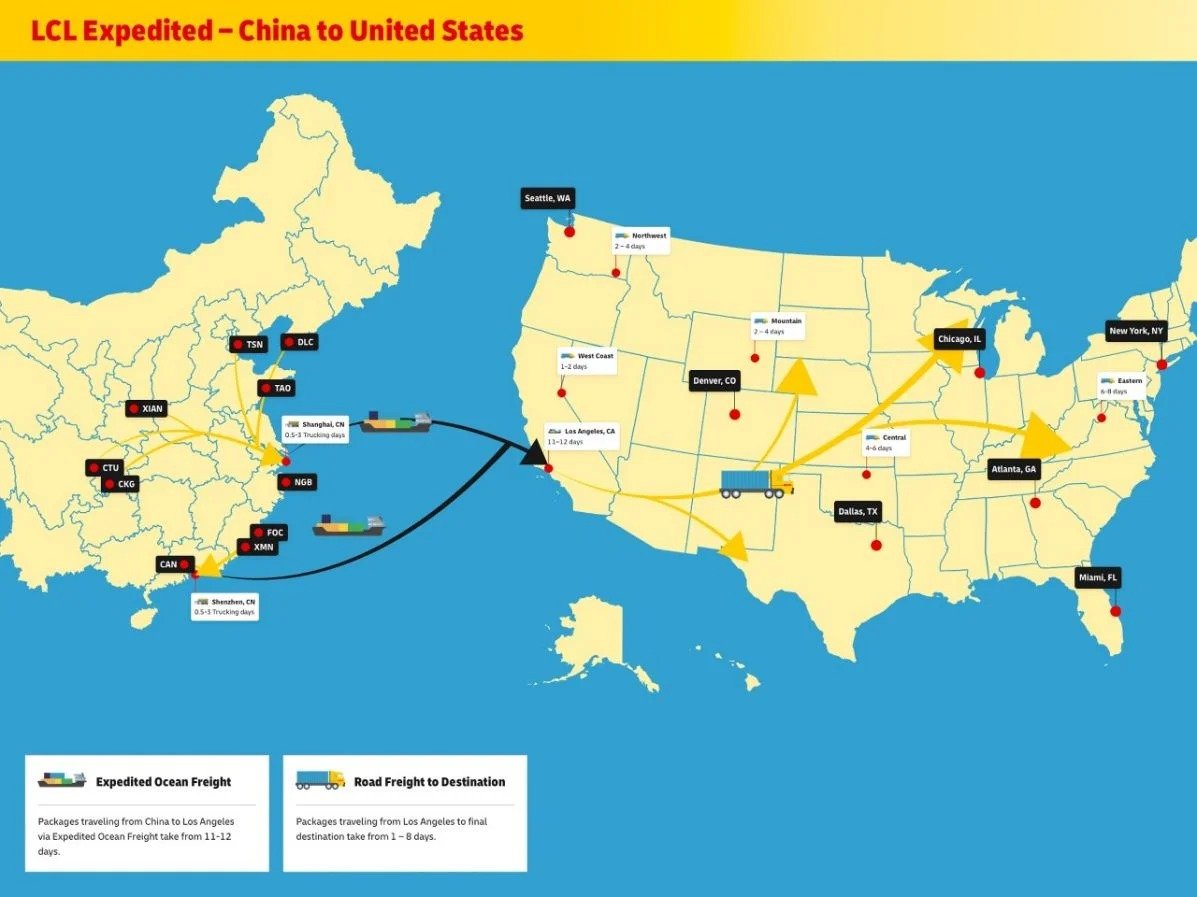
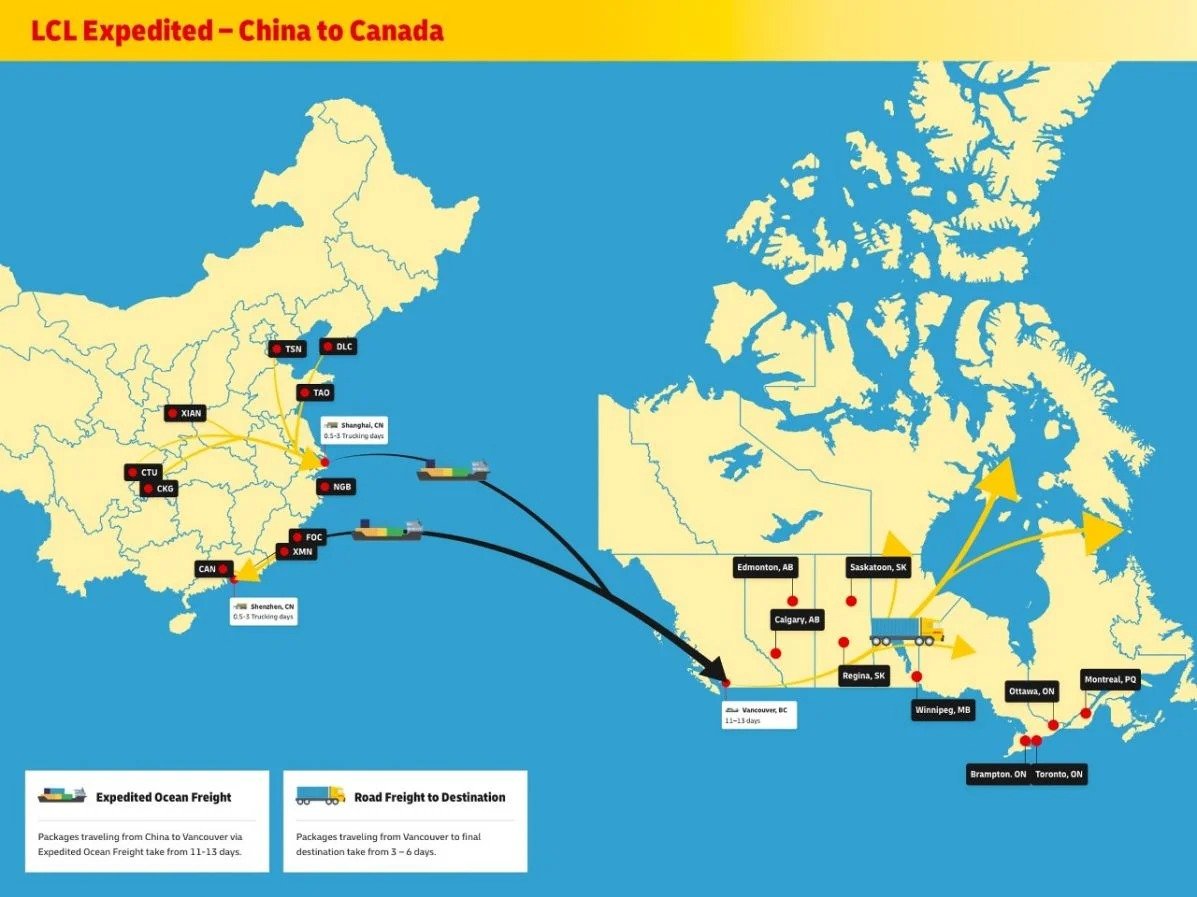
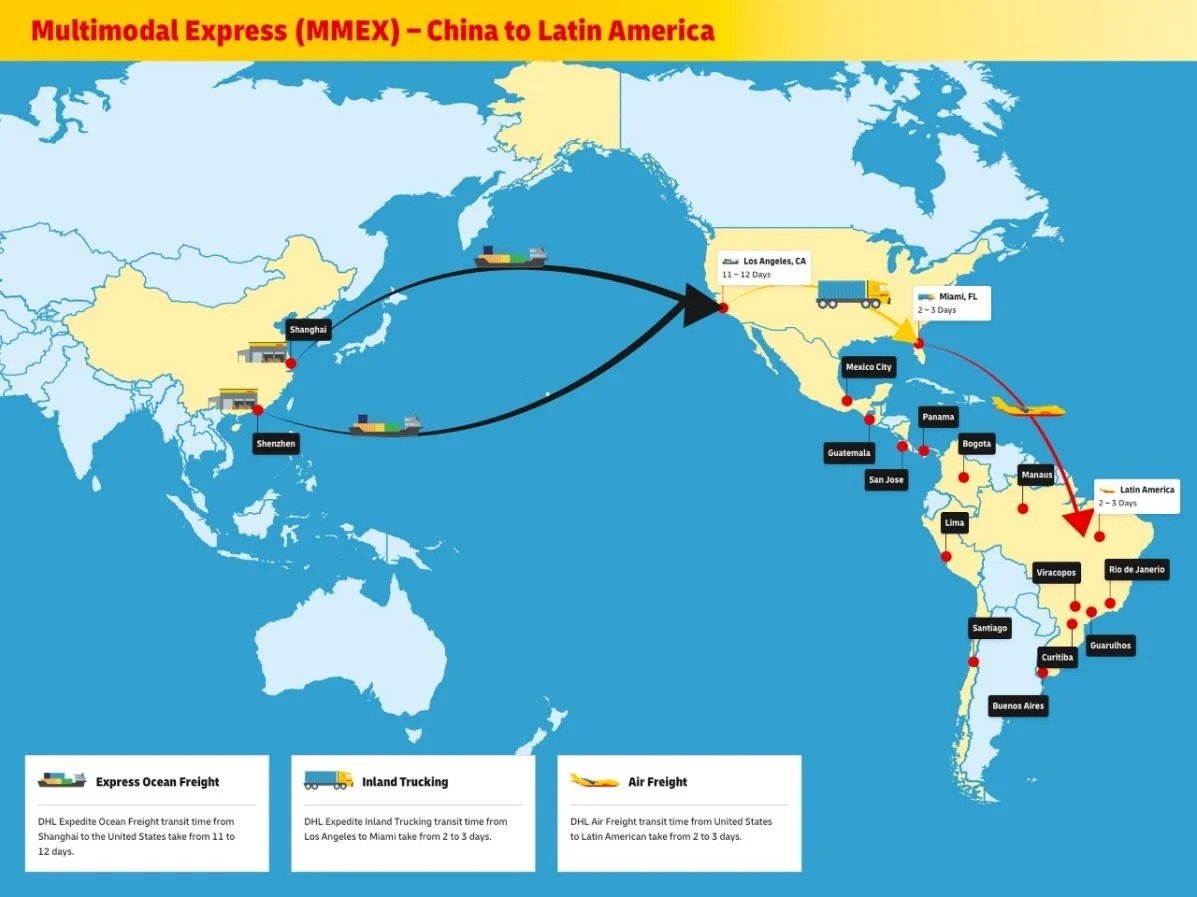
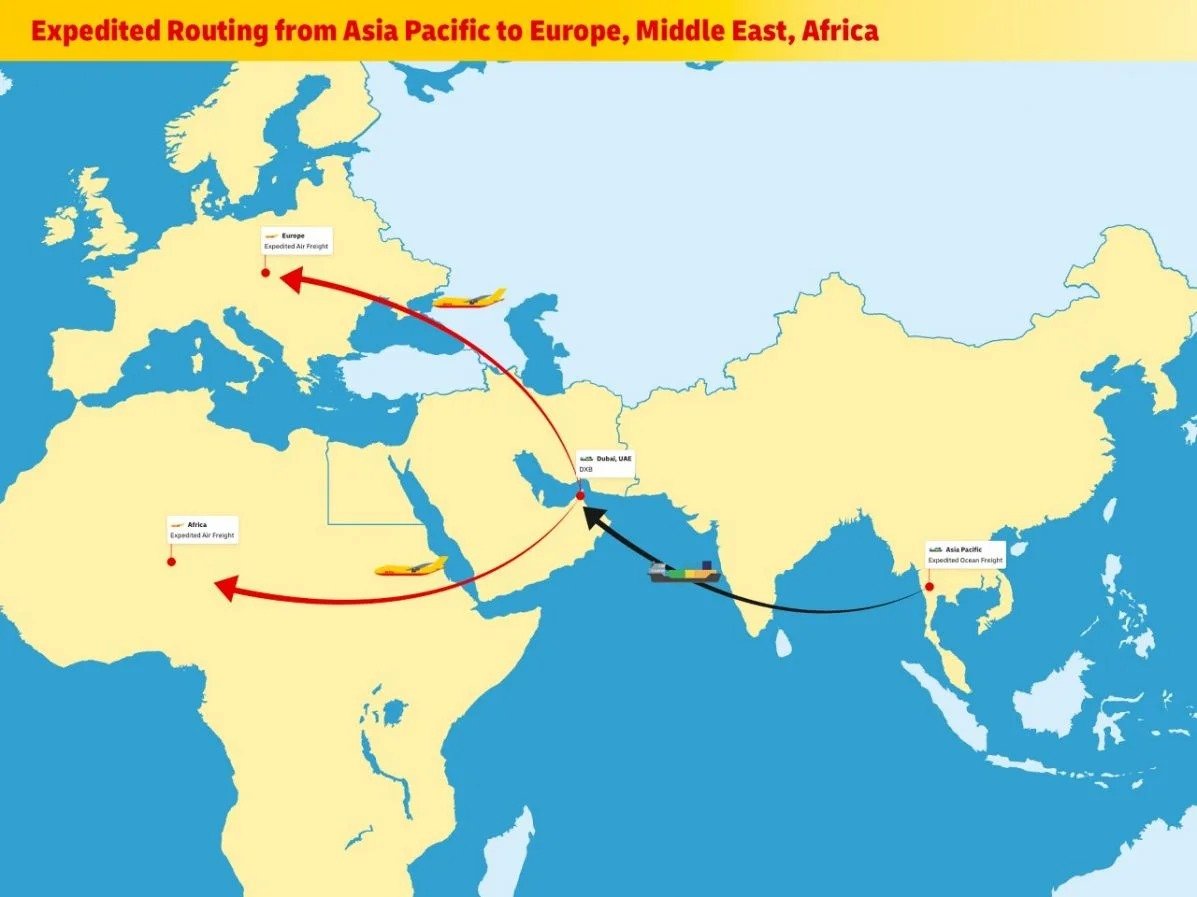
Nobody has their own office everywhere
Every global forwarder runs a mix of its own desks and appointed partners. The question worth asking any of them is not how many countries they claim, but who answers when the far end goes quiet.
Our own desks
Regional teams quoting and planning their own lanes, because someone who works a corridor daily knows its seasons and its bottlenecks in a way a central desk cannot.
Appointed partners
Vetted agents where we do not have our own presence, working to our booking, our tracking and our service standards rather than their own.
One accountability line
Whichever of the two is handling your cargo, the person you call is ours. A partner arrangement is our problem to manage, not a reason for you to be passed along.
Told which is which
If a leg is being handled by a partner rather than by us, we say so. It changes nothing about who you hold responsible, and pretending otherwise is how trust gets lost.
Bring us the shipment nobody wants to own.
Multiple legs, two borders, a supplier who will not commit and a date that has already moved once. That is the shipment a forwarder is actually for — and it is a far better test of whether we are any good than a simple lane would be.
- Track
-
Start ShippingGet a Quote Ship Now Request a Business AccountDocument & PackageExpress Shipping Retailers / Volume ShippingFreightExplore Freight Services OPS for Your Business
- Customer Service
- Customer Portal Logins
- Check Out What OPS Provides